How to Prepare Your Home for a Professional Power Washing Service
Power washing is an effective method for cleaning and maintaining the exterior surfaces of your home, revitalizing its curb appeal and preventing damage caused by accumulated grime, mold, and mildew. To ensure you achieve the best results from this investment, preparing your home beforehand is crucial. Proper preparation facilitates an efficient cleaning process for technicians and ensures that your property is adequately protected against the high-pressure stream.
Selecting a Reputable Provider
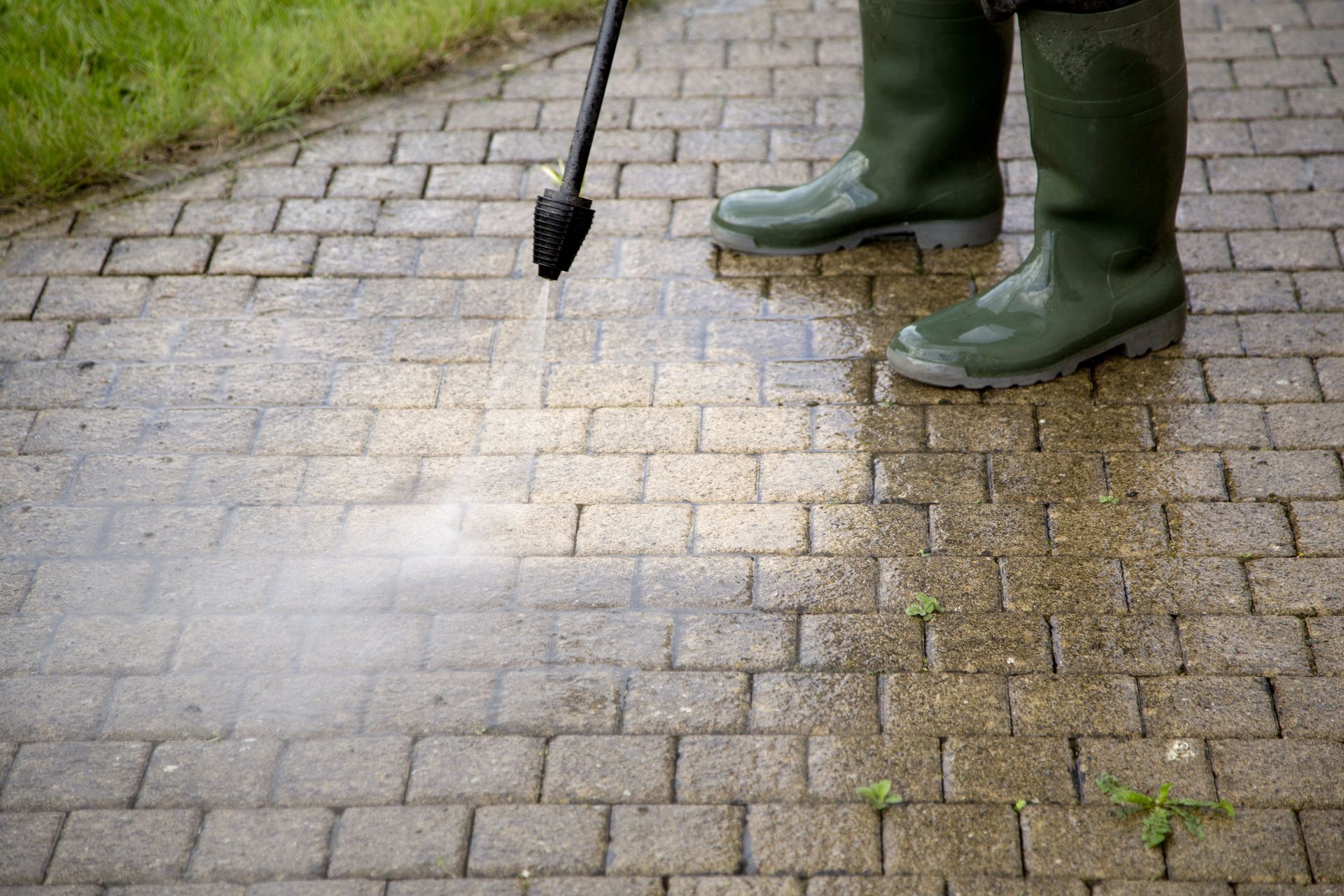
Before diving into the physical preparation steps, it is essential to understand the mechanics of power washing and how it differs from traditional pressure washing. Power washing utilizes specialized machinery that heats the water to a high temperature before discharging it through a pressurized nozzle. This combination of thermal energy and mechanical force makes power washing exceptionally effective at breaking down stubborn grease, oil stains, and deep-seated mold on hard surfaces like concrete driveways and stone walkways.
Selecting a reputable local power washing service is the cornerstone of a successful home maintenance project. A qualified professional team will possess industrial-grade equipment capable of delivering consistent pressure and temperature adjustments, along with comprehensive liability insurance to prevent surface erosion. According to The Spruce, it generally takes one to three hours to pressure wash a house, depending on the shape and size of the house. Hiring experienced professionals ensures that this intensive process is executed efficiently and safely, saving you hours of exhausting labor.
A comprehensive assessment by a local power washing service typically involves identifying the substrates of your home, such as vinyl siding, brick, stucco, or wood, and tailoring the pressure levels accordingly. Soft washing techniques, which utilize lower pressure combined with targeted cleaning solutions, are applied to delicate roof shingles to prevent structural damage while still eradicating destructive mold spores. By partnering with a dedicated local power washing service, homeowners gain access to customized treatment plans that respect the property's materials.
Inspecting Your Exterior Structure
The initial phase of physical preparation begins with a walkthrough and inspection of all exterior surfaces scheduled for treatment. Homeowners should examine siding, foundations, window frames, and outdoor fixtures for pre-existing vulnerabilities, such as hairline cracks in brick mortar, loose vinyl panels, chipped paint, or deteriorated caulking. Documenting these areas with photographs is a vital step, as it allows you to communicate these weak spots to your chosen professional team before work commences.
Beyond structural inspections, securing outdoor furniture and decorations is a critical step in preventing accidental damage and creating a clear workspace. High-pressure water streams and commercial cleaning detergents can easily overturn lightweight items, tarnish delicate metals, or bleach fabrics. Homeowners should clear all patios, decks, porches, and driveways of items such as cushions, tables, chairs, potted plants, and children's toys. Moving these valuables into an enclosed garage or a backyard shed ensures they remain clean and undamaged.
Clearing the perimeter also extends to automotive vehicles, which must be moved completely away from the work zone to prevent them from being coated in dirty overspray. Park all cars, trucks, and bicycles inside the garage or along the street well away from the house structure. This action safeguards your vehicles' paint finishes from flying debris and provides the technicians from your local power washing service with unhindered mobility to maneuver their heavy hoses and equipment around your property. A spacious, unobstructed work environment drastically reduces the setup time.
Protecting Plants and Landscaping
Protecting your delicate landscaping, valuable gardens, and mature plants is another essential component of the wash preparation process. The powerful combination of water and cleaning surfactants used by a professional local power washing service can occasionally pose a risk to nearby foliage if proper precautions are not taken. To shield your vegetation, homeowners should thoroughly saturate the soil and leaves of all surrounding plants and lawns with fresh water from a garden hose immediately before the team arrives.
In addition to safeguarding green spaces, taking proactive steps to eliminate water infiltration into your home's interior is paramount for protecting personal property. High-pressure water spray can find its way through small gaps around window panes, doors, and ventilation openings. Homeowners must ensure that every single window and exterior door is fully closed and securely latched. Inspect the weatherstripping around doors to ensure a tight, impenetrable seal.
Another crucial aspect of preventing water damage involves checking and clearing your home's gutter and downspout system before the washing begins. If your gutters are choked with autumn leaves and organic debris, they will not be able to efficiently channel the immense volume of water generated during an exterior wall wash. This can cause rapid water accumulation, leading to overflow that spills directly behind the siding or pools heavily around your home's foundation. Ensuring that your gutters are completely clear allows the wash water to drain rapidly.
Managing Electrical and Utility Risks
Managing electrical infrastructure and managing utilities with care is a fundamental safety requirement when prepping for a power washing service. Because water conducts electricity, high-pressure water streams directed at live exterior electrical components can result in short circuits, blown fuses, or equipment damage. Homeowners must locate all electrical outlets, fixtures, security cameras, and utility meters. Before the cleaning process begins, shut off the power supply to all outdoor outlets.
External utility appliances, most notably your central air conditioning condenser unit, require specialized protection to prevent mechanical complications. The delicate aluminum cooling fins on an air conditioning unit can easily become bent or clogged with dislodged dirt if subjected to direct, high-pressure washing streams. To prevent this, turn off your HVAC system entirely via your indoor thermostat so that the outdoor fan does not activate during the cleaning process. Cover the entire external AC condenser unit with a dedicated heavy-duty vinyl cover or a thick plastic tarp, securing it tightly around the base.
Finally, any automated systems around your property, such as landscape lighting networks or automated lawn sprinkler systems, must be deactivated. Subterranean sprinkler heads should be turned off at their primary control panel to prevent them from popping up and becoming damaged by heavy foot traffic. Wrap exposed landscape accent lights in protective foil or plastic sheeting to keep moisture out of their delicate components. If your home utilizes propane tanks or natural gas lines for outdoor kitchens, ensure that the main valves are tightly closed.
Maintaining Your Home Post-Wash
After the technicians have concluded their work, executing a comprehensive post-wash inspection is the final step in the service cycle. Homeowners should walk around the perimeter of their property alongside the lead technician to review the quality of the cleaning results. Examine the siding, window frames, pathways, and walkways to ensure that all targeted mold, mildew, deep stains, and accumulated grime have been successfully eradicated, revealing the refreshed appearance of your home.
Once the initial inspection is completed, homeowners can begin the process of carefully restoring their outdoor living areas to their original configurations. Before moving your patio furniture, outdoor cushions, and decorative flower pots back onto your decks and patios, ensure that all washed surfaces have dried completely in the sun. Moving heavy items onto wet wood or damp concrete can inadvertently trap moisture beneath them, creating an ideal breeding ground for rapid mold regrowth. Take the time to wipe down the bottoms of your furniture pieces to avoid transferring old dust.
Maintaining the spectacular results achieved by your professional cleaning requires a proactive attitude and a commitment to routine exterior maintenance. Environmental factors such as wind, rain, shading from mature trees, and local humidity levels mean that organic growth and environmental dirt will inevitably begin to accumulate again over time. Homeowners should establish a consistent schedule for checking shaded north-facing walls, gutters, and low-lying concrete walkways for the earliest signs of green algae. For more information about the services that we offer, reach out to our incredible team at Wave Wash Cleaning today!
Share On: